· Jnanadarshan Nayak · AI & Manufacturing · 2 min read
Where AI actually helps in semiconductor manufacturing
Cutting through the hype to look at the AI use cases that earn their keep on the factory floor — and the ones that don't.
Every fab I talk to is being pitched “AI” in some form. Some of it is genuinely transformative. A lot of it is a dashboard with a fresh coat of paint. The hard part isn’t the model — it’s knowing where machine learning earns its keep and where a simpler tool would do.
Use cases that tend to pay off
A few patterns show up again and again where the data is rich, the feedback loop is short, and the cost of a mistake is well understood:
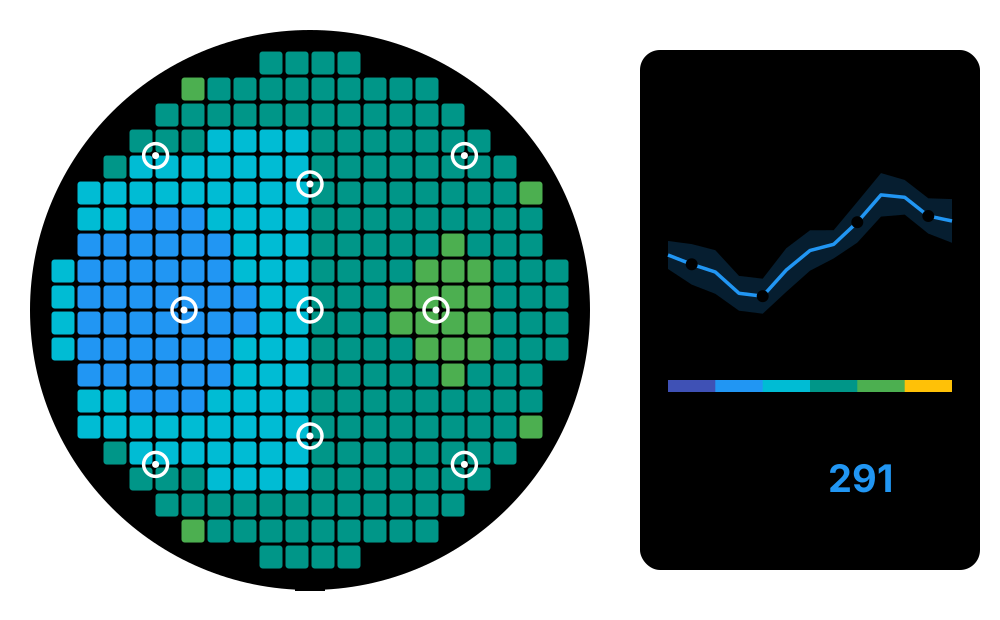
- Yield and defect analysis. Pattern recognition across inspection and metrology data, surfacing root causes faster than manual review.
- Predictive maintenance. Catching tool drift and component wear before they cause unplanned downtime.
- Process control. Tightening control loops where there’s enough sensor data to model the process reliably.
What these have in common: clear metrics, abundant data, and a problem the organization already cares about measuring.
Where it usually disappoints
The projects that stall tend to share the opposite traits — fuzzy success criteria, sparse or messy data, and no one who owns the outcome once the pilot ends. A model that nobody trusts, or that nobody can maintain after the vendor leaves, is worse than no model at all.
The real work is adoption
The model is rarely the bottleneck. The bottleneck is trust, data plumbing, and whether the people on the line will actually use the thing. Start with a problem people already want solved, keep it reliable, and make sure someone owns it after go-live. That’s the difference between a pilot and a production system.