· JD Nayak · Open Source · 1 min read
Why I write down every fix: small contributions that compound
If a weekend went into figuring something out, an hour of writing it down saves the next person the same weekend.
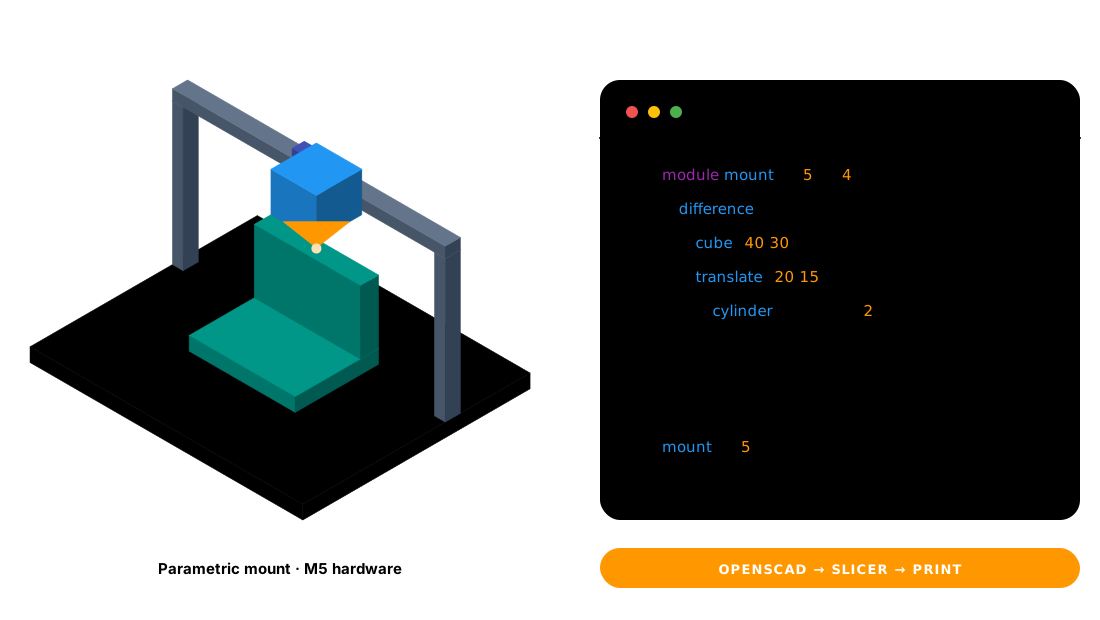
Most of the problems I hit in the homelab, with single-board computers or with smart-home gear, have been hit by someone before. The fix is often buried in a forum thread with a vague title. When I finally solve one, I write it down.
The rule
If I spent a weekend figuring something out, it is worth an hour to write it down. Ideally the write-up ends up on GitHub, where it is searchable and can be corrected by others.
What a good write-up has
- The symptom, in the words someone would actually search for
- The environment, meaning hardware, OS version and relevant settings
- What did not work, so readers can skip dead ends
- What worked, with the exact steps
- Why it worked, if I know, or an honest note if I do not
Why it compounds
A single note helps one stranger. But notes accumulate into a reference, they attract corrections, and they turn into the first thing I read when something breaks again six months later. My future self is the most frequent reader.
Keep it public-safe
Write-ups describe the problem and the fix, never my own addresses, hostnames or exposed services. Concept level is almost always enough.
That is the whole practice: fix it, then write it down.